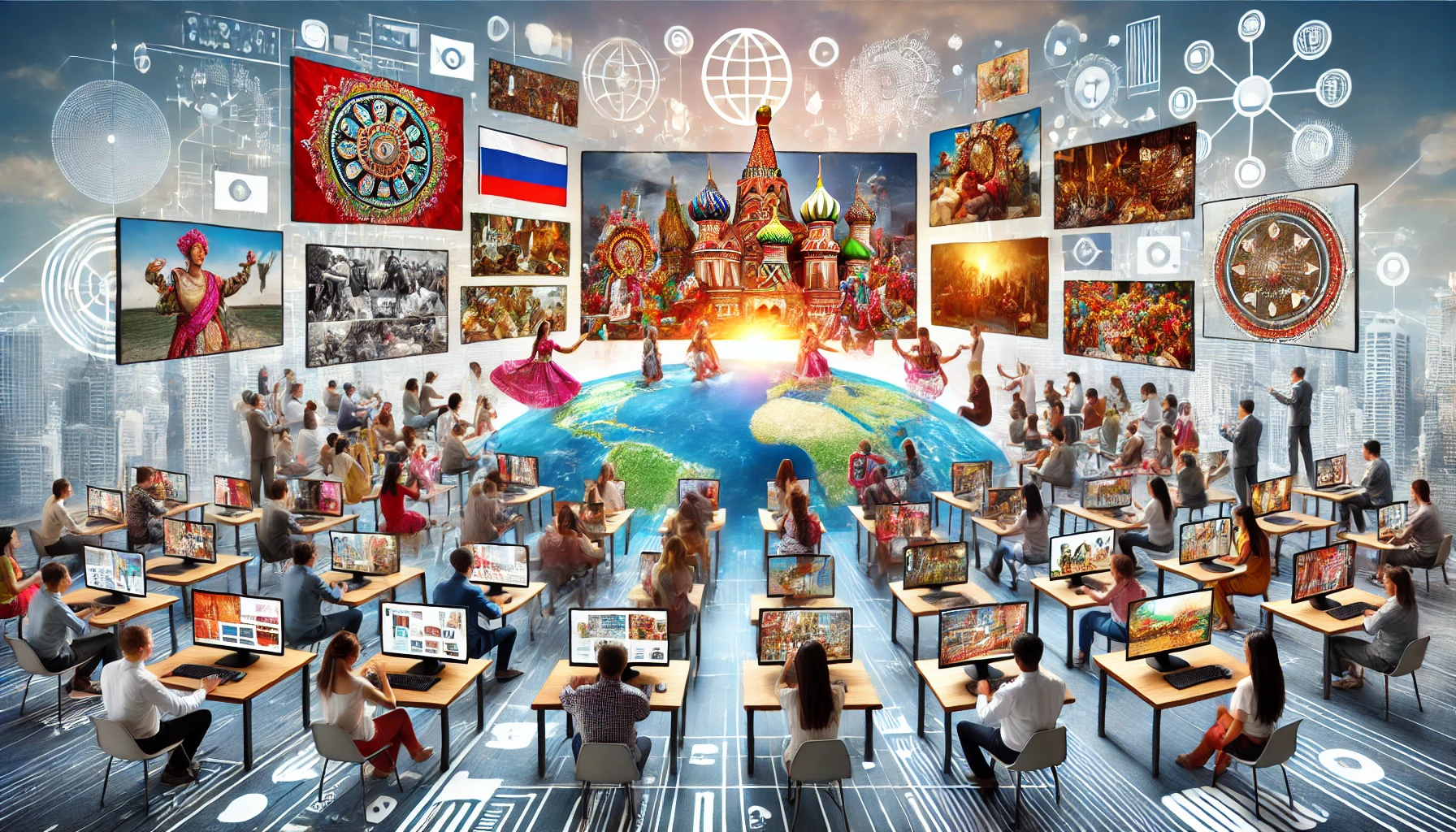
Entertainment: The Ever-Evolving World of Joy, Creativity, and Connection
Entertainment has been a fundamental part of human life in every continent, every country, and every story, in each and every time. It offers not only fun and distraction, but also meaning, emotional connection and shared understanding. While making our way through the 21st century, entertainment is still progressing and combining innovation and tradition and has also added in technology and business.
This article is about what entertainment is in general, the different types of it, how it has changed, and how it is important in our society.
What Is Entertainment?
Entertainment is basically all and everything which entertains the E; an audience can find entertaining and enjoyable. It might be live or recorded, visual or oral, interactive or passive. It is primarily there to entertain, enlighten, uplift or distract us from the humdrum of life.” Whether it’s sitting down to watch a movie, reading a book, listening to music, or playing a video game, entertainment is essential for our emotional and mental health.
Forms of Entertainment
Keep your entertainers options open. Here are some of the most-liked and influential shapes:
Television and Streaming Video Clips
Since its invention, the television has been a familiar household accessory. But the way we watch has been transformed by streaming services like Netflix, Amazon Prime and Disney+. We binge-watch TV shows, we watch international shows and on-demand stream have made entertainment personal and anytime.
Film and Cinema
Movies have been fascinating audiences for more than a century. From big-budgeted blockbusters to auteur-driven indies, the movies provide stories for all ages, tastes and interests. Visually storytelling can happen unabated now with digital filmmaking and CGI.
Music
Music has long been referred to as the universal language of entertainment. It can lift the spirits, calm nerves or summon people to one another. You can discover artists from around the world thanks to streaming platforms like Spotify, YouTube and Apple Music, which enable global music communities.
Gaming And Interactive Entertainment
Video games are no longer child’s play — they’re big business. Video-game ushers-in immersive experiences Story-telling has since been interactive -from mobile games to complex console games. Esports, or competitive gaming, has also gained in popularity, with millions of people tuning in on the internet.
Literature and Storytelling
Books, books, poetry and anecdotes never go out of style. They ask readers to inhabit different perspectives, worlds and thoughts, in the abstract of their own minds and their own language.
Live Performances and Events
There’s no equivalent for concerts, theater shows, stand-up comedy or, for that matter, sporting events — which aren’t merely sources of information, but unique, real-time experiences. The atmosphere of a live performance or game played at a stadium is difficult to reproduce digitally.
Social media & Online content
TikTok, Instagram, YouTube and other services that offer the possibility of microcelebrity have ushered in a new type of creator. Influencers, vloggers and short-form video personalities increasingly dominate contemporary entertainment, engaging audiences worldwide with content that’s small enough to consume in a bite (or two).
The Purpose of Entertainment
Entertainment also has multiple uses other than fun and relaxation:
- Education: Documentaries, edutainment and scripted historical dramas that combine learning with entertainment.
- Outlet for Emotions: Entertainment allows us to handle emotions — joy, sorrow, fear and excitement — in a way that feels safe.
- Social Connection: Movie nights with friends or chatting with your coworkers about your favorite series strengthens social bonds.
- Cultural Corner: Entertainment acts as a place where we reflect on societal values, norms and issues, and can have a conversation about them.
The Business of Entertainment
Entertainment is not only an art form — it’s also big business. The world of entertainment and media is a trillions-of-dollars business. Giant conglomerates from Disney, Netflix, Sony and Universal have a firm grip on different channels, generating content for the world to consume.
There are a number of different ways that the entertainment industry has made money throughout the years:
- Box office sales
- Streaming subscriptions
- Advertising
- Merchandise
- Live event tickets
Gaming transactions and microtransactions
As demand for content increases, so does the number of independent creators, who earn money on platforms like Patreon, YouTube AdSense and brand sponsorships.
Tech’s Ripple Effects on Entertainment
Entertainment has never ceased to adapt to new technologies.
The Internet
High-speed internet has also made it possible for people to stream video, play games and access content from across the globe on demand.
Smartphones
The mobile device has become a personal entertainment center providing music, games, books, and video while “on the go.”
Virtual and Augmented Reality
VR and AR are becoming increasingly immersive. VR concerts and AR-enhanced games are just the beginning, and technology is reshaping audience engagement.
Artificial Intelligence
AI can assist in curating content, making music, editing video — and even writing stories. AI is what recommends personalized programming on streaming platforms.
Issues in the Entertainment Sector
- Here’s what we see as we continue our entertainment upswing, along with a few of the challenges we face:
- Content Saturation: More and more video content options make it challenging for creators and platforms to capture attention.
- Piracy: Illicit downloading and streaming continue to pose a threat to revenue.
- Mental Health Issues: We’re worried about what our children are watching and the prayers we’re taught to say at night.
- Censorship and Content Moderation: Free expression then has to be balanced against the responsible content selection, and all of that is messy to do.
Entertainment, Culture, and Society
Entertainment not only mirrors culture — it influences it. TV shows, music and the movies shape culture — the way we dress, talk, behave, what we fight for or even fight against politically. For instance:
- A hit Netflix show can launch global fashion trends.
- A viral TikTok dance is found across the globe.
- A great film can spark vital discussions about race, gender or history.
- On top of that, entertainment crosses cultural barriers, and enables people to come closer to the stories coming from other regions of the globe.
The Future of Entertainment
Entertainment of the future is speedy, digital and intimately personal. Here’s what we can expect:
- More Interactivity
- Audiences will not be mere consumers of content, but participants in it. Interactive movies, choose-your-own-adventure games and immersive events will be analogue to all.
AI-Generated Content
From AI-scribed scripts to virtual talent, artificial intelligence will step into the role of content creator.
The Metaverse
Virtual worlds that allow people to socialize, watch shows and play games will widen the frontiers of entertainment.
Sustainable Entertainment
With increasing environmental consciousness, the sector is shifting towards sustainable manufacturing and eco-friendly events.
Conclusion
Entertainment is not just a pastime, but a force that educates, connects, motivates and unites. It informs us of what we value as it provokes us to challenge our ideas and drive our creativity. In a fast-paced, and stressful, world entertainment helps deliver happiness and make connections.
No matter if you’re a viewer, gamer, reader or creator, you’re part of a network of millions of people whose connection runs deeper than fandom, passions, or interests. But as societies and technologies develop, so too will the reasons for entertaining and being entertained. And in that evolution, the core remains that same: to capture the human heart and mind.
Do you want this story to be SEO optimized or to be re-written catering to a particular sector such as music, gaming or social media sector? Let me know!